When people hear the term Lean Thinking, many immediately associate it with eliminating waste, improving efficiency, or reducing costs. While these are certainly outcomes of Lean, they were never intended to be the ultimate goal.
At its core, Lean Thinking begins with a far more important question: What creates value for the customer? Every activity, process, decision, and investment is evaluated against that single standard. If an action does not contribute to creating value for the customer, then it deserves to be questioned. This subtle shift changes Lean from an operational methodology into a strategic mindset that aligns remarkably well with the principles of customer centricity.

One of the greatest misconceptions organizations make is believing that customer centricity is primarily about delivering exceptional service at the point of interaction. In reality, customers experience the cumulative effect of hundreds of decisions made long before they ever speak to an employee or receive a product. Delayed approvals, unnecessary handoffs, confusing policies, excessive paperwork, siloed departments, and poorly designed processes all create friction that customers eventually experience. Lean Thinking encourages organizations to see these hidden barriers for what they truly are, not merely operational inefficiencies, but obstacles that diminish customer value. Every unnecessary step consumes resources, delays outcomes, frustrates employees, and ultimately erodes the customer experience.
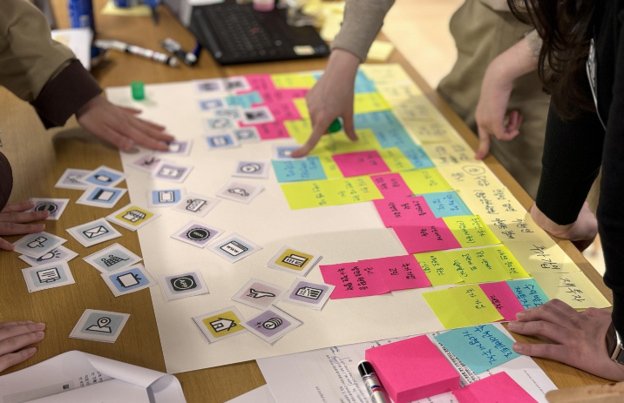
Perhaps one of the most powerful lessons Lean offers leaders is the discipline of viewing work through the customer’s eyes rather than through the organization’s structure. Organizations naturally become internally focused, measuring success by activity, productivity, utilization, or departmental performance. Customers, however, evaluate organizations very differently. They measure how easy it is to do business with you, how consistently you deliver on your promises, how quickly problems are resolved, and whether they feel valued throughout their journey. Lean Thinking challenges leaders to continually ask whether their systems have been designed for organizational convenience or for customer value. When every improvement effort begins with the customer’s perspective, operational excellence becomes the natural outcome rather than the primary objective.

As customer expectations continue to evolve, organizations can no longer afford to pursue efficiency and customer experience as separate initiatives. Lean Thinking demonstrates that the two are inseparable. Organizations that intentionally eliminate waste while simultaneously increasing customer value create experiences that are simpler, faster, more reliable, and more meaningful. In doing so, they improve not only customer satisfaction and loyalty but also employee engagement, organizational effectiveness, and long-term sustainability. Customer centricity is not simply about serving customers well, it is about intentionally designing every aspect of the organization around what matters most to them. Lean Thinking provides one of the clearest pathways for making that aspiration a reality.
Action Plan
As you reflect on your own organization this month, consider these questions:
- Where are customers experiencing unnecessary friction because of internal processes?
- Which activities consume significant time and resources but add little or no value to the customer?
- If you viewed your organization entirely through your customers’ eyes, what would you simplify, redesign, or eliminate?
- How can your team make customer value the starting point for every improvement initiative rather than an afterthought?
Small improvements, consistently focused on customer value, often produce the most meaningful and sustainable transformation.
For more information, contact info@almentainternational.net or visit www.almentainternational.com.
Lean Thinking: Building Organizations That Put Customers Before Short-Term Profits
Presented by: Linda Hart
Session Description
What if the greatest competitive advantage comes from thinking differently? Join us as Linda Hart explores how Lean Thinking has evolved into one of the world’s most customer-centric management philosophies. Drawing lessons from the work of W. Edwards Deming, the Toyota Production System, and leading organizations, Linda will demonstrate how creating value for customers, developing people, and continuously improving processes lead to stronger, more sustainable organizations.
Whether you work in the private, public, or nonprofit sector, this session will challenge conventional thinking and provide practical insights into building organizations where customers, employees, and long-term success thrive together.
What You’ll Learn
- Why Lean Thinking is one of the strongest examples of customer-centric leadership.
- How organizations can move beyond short-term thinking to create lasting value for customers and stakeholders.
- Practical examples of organizations that have successfully balanced operational excellence, employee engagement, and customer benefit.
About the Speaker
Linda Hart has dedicated her career to helping organizations improve performance through organizational effectiveness, Lean thinking, and continuous improvement. She holds a Bachelor of Science in Pharmacy and a Master’s degree specializing in Organizational Effectiveness and Statistical Analysis.
Her professional credentials include Project Management Professional (PMP – retired), Certified Scrum Master, and Lean Six Sigma Project Management. Throughout her career, she has worked with numerous organizations as both a consultant and corporate leader, helping them strengthen systems, improve performance, and build healthier organizational cultures.
This session was held on Friday, July 17, 2026. Registration is closed. Visit the Customer Centricity Circle for upcoming sessions.
What else is happening at Almenta International?
Check out our Professional Development Opportunities:
For more information, contact info@almentainternational.net